Whether you're seeking the thrill of flying for fun or using an aircraft to support your business, it opens up a world of possibilities. Enjoy shorter travel times, gain a competitive edge, and discover the freedom to reach more people in less time. With a private pilot certificate, the sky's the limit!
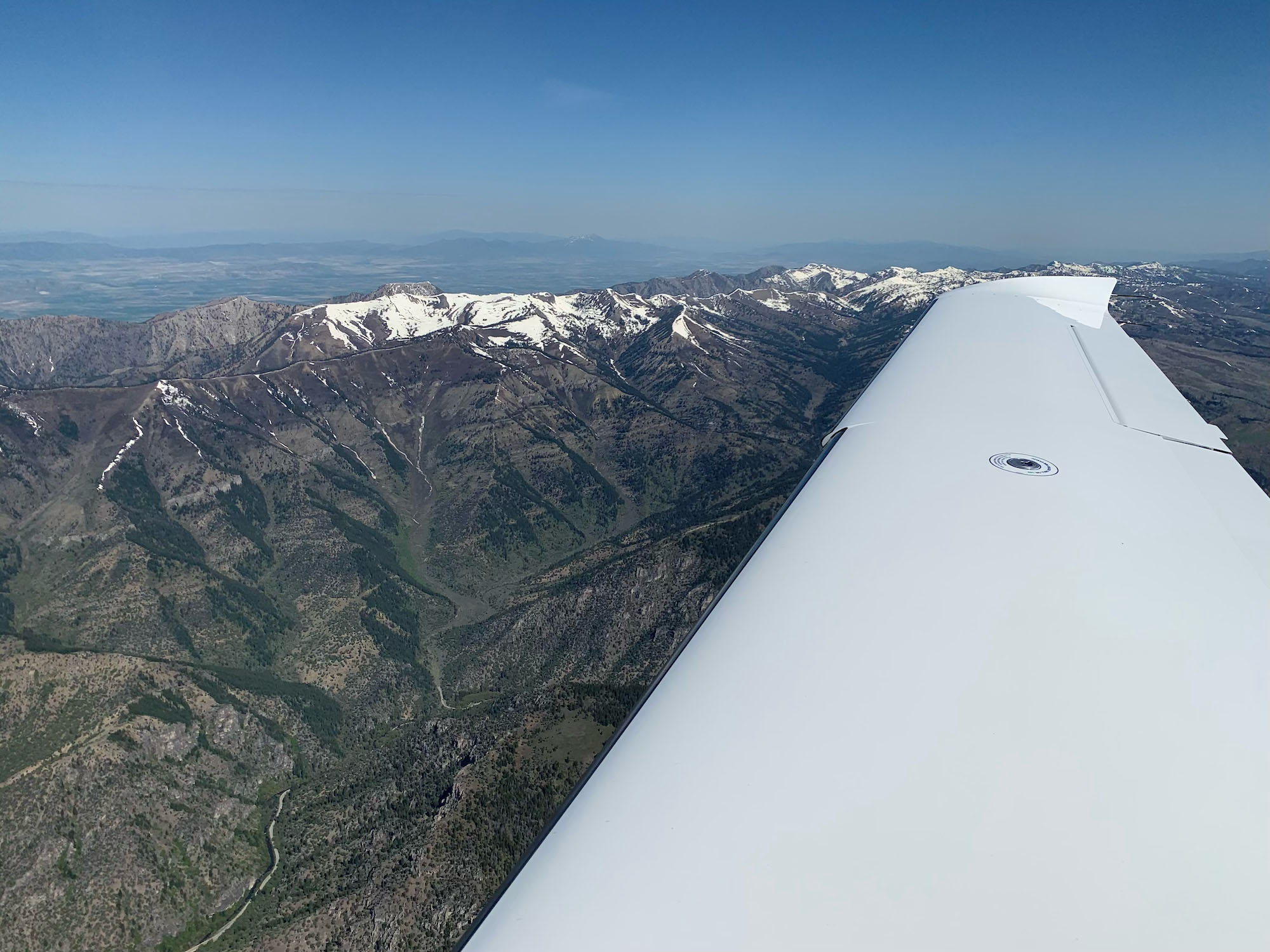
A Private Pilot Certificate is designed for individuals who want to fly themselves and is also the foundation for earning an Instrument Rating and a Commercial Pilot Certificate.
Often times people are interested in flying just for fun. Another advantageous reason for one to obtain a private pilot certificate is to use an aircraft to support a business or other professional reason. Flying can reduce travel times over driving as well as add a competitive edge by reaching more people in a shorter amount of time. No matter what your objective is, a private pilot certificate allows for many useful options.
As a private pilot you are allowed to fly under visual flight rules (VFR) any time of day with respect to civilian approved airspace. A private pilot is allowed to carry passengers as well as fly in furtherance of a business so long as the private pilot is not receiving compensation or goods for services as a pilot. According to federal regulations passengers of the aircraft are only allowed to pay a pro-rata equal share of the flight expenses, for items such as fuel, oil, aircraft rental costs, hangar fees, and airport expenditures.
With a private pilot certificate, you can rent our aircraft and fly anywhere in the United States with respect to civilian approved airspace. Along with our training model aircraft we have a technologically advanced Cirrus SR22T aircraft available for rent with Cirrus Aircraft advanced training course completion.
Ground school is a combination of a certified home study course (Sporty’s Private Pilot Course) and classroom face to face training with one of our Certified Flight Instructors. Ground school covers the technical areas that a pilot must know outside of the flight training. Areas of focus in ground school are not limited to but include many of the following: Aircraft systems, aerodynamics, aircraft performance, navigation, federal regulations, weather, airspace, and aircraft radio communications.
Flight training consists of a preferred block lesson time of 2-3 hours. During this time expect to see about 1-2 hours of aircraft flight time. The rest of the time block is used for ground training pre and post flight briefs where you will review at home study materials as well as discuss the daily flight lesson and goals. Our training program is meant to prepare you for both the Federal Aviation Administration’s (FAA) written and practical flight test. Private Pilot Certification is awarded upon successful completion of the written and practical flight test.
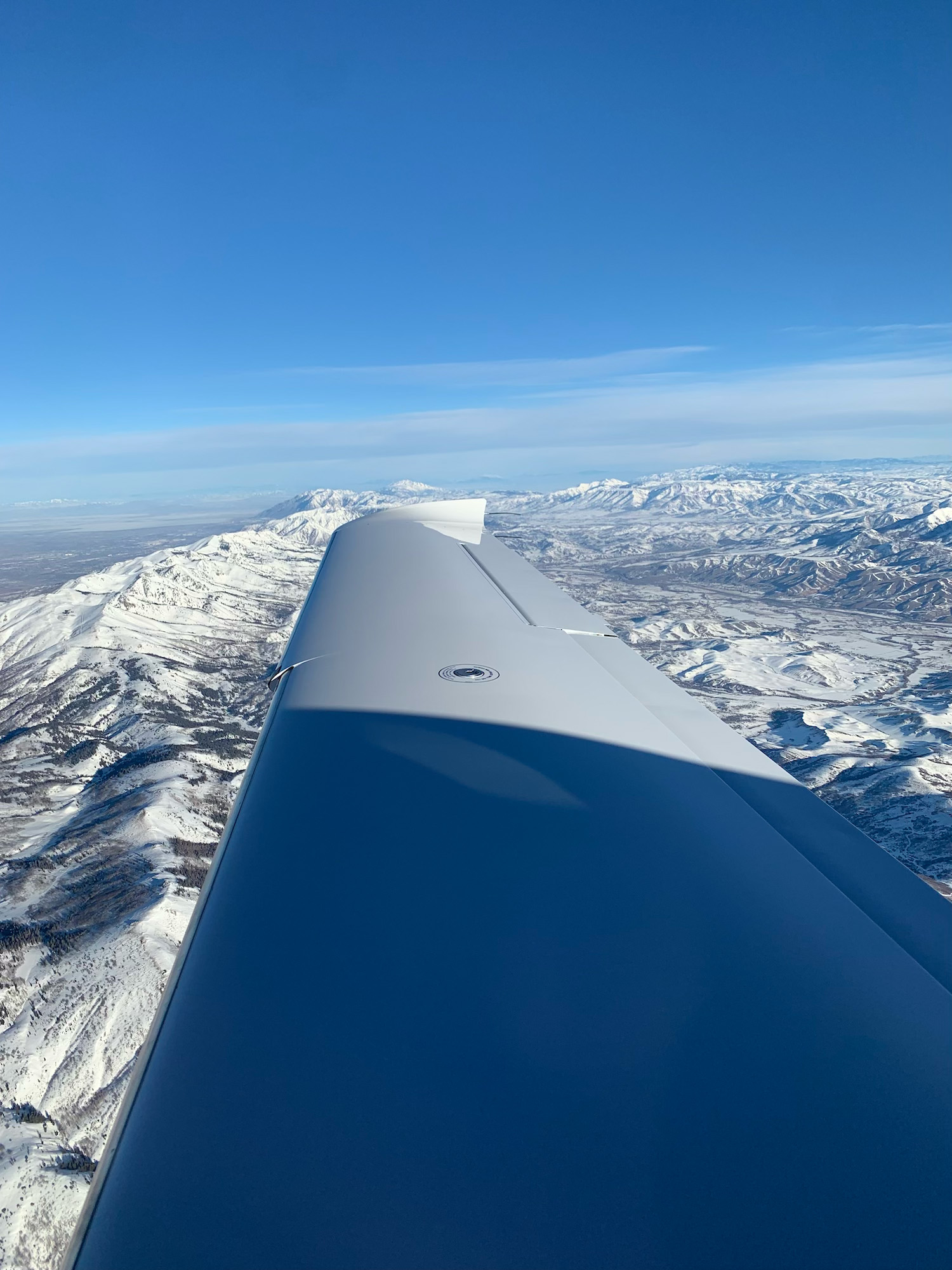
The FAA (Federal Aviation Administration) establishes the criteria that must be met in order to obtain a Private Pilot Certificate. The FAA minimum requirements to obtain a Private Pilot Certificate:
· Age: 17 Years (16 to Fly Solo - no minimum age to start flying lessons)
· Be able to read, speak, write, and understand the English language.
· Total Flight Time: 35 Hours (Part 141) or 40 Hours training (Part 61)
· Instructional Flight Time: 20 Hours
· Solo Flight Time: 5 Hours (Part 141) or 10 Hours (Part 61)
· Ground Instruction: 35 Hours (Part 141) or proficiency based hours (Part 61)
· Third-Class FAA Medical Certificate or greater or BasicMed (https://www.faa.gov/licenses_certificates/airmen_certification/basic_med) (https://www.faa.gov/pilots/medical_certification)
· FAA Airman Knowledge Test (Rising Wings Aviation Inc. is a FAA Certified Testing Center) (https://faa.psiexams.com/faa/login)
· FAA Practical Test (Checkride) (Local Pilot Examiner available)
It’s important to keep in mind that these are the FAA-mandated minimums. The national average for students to complete their private pilot training is around 70+ hours total flight time.